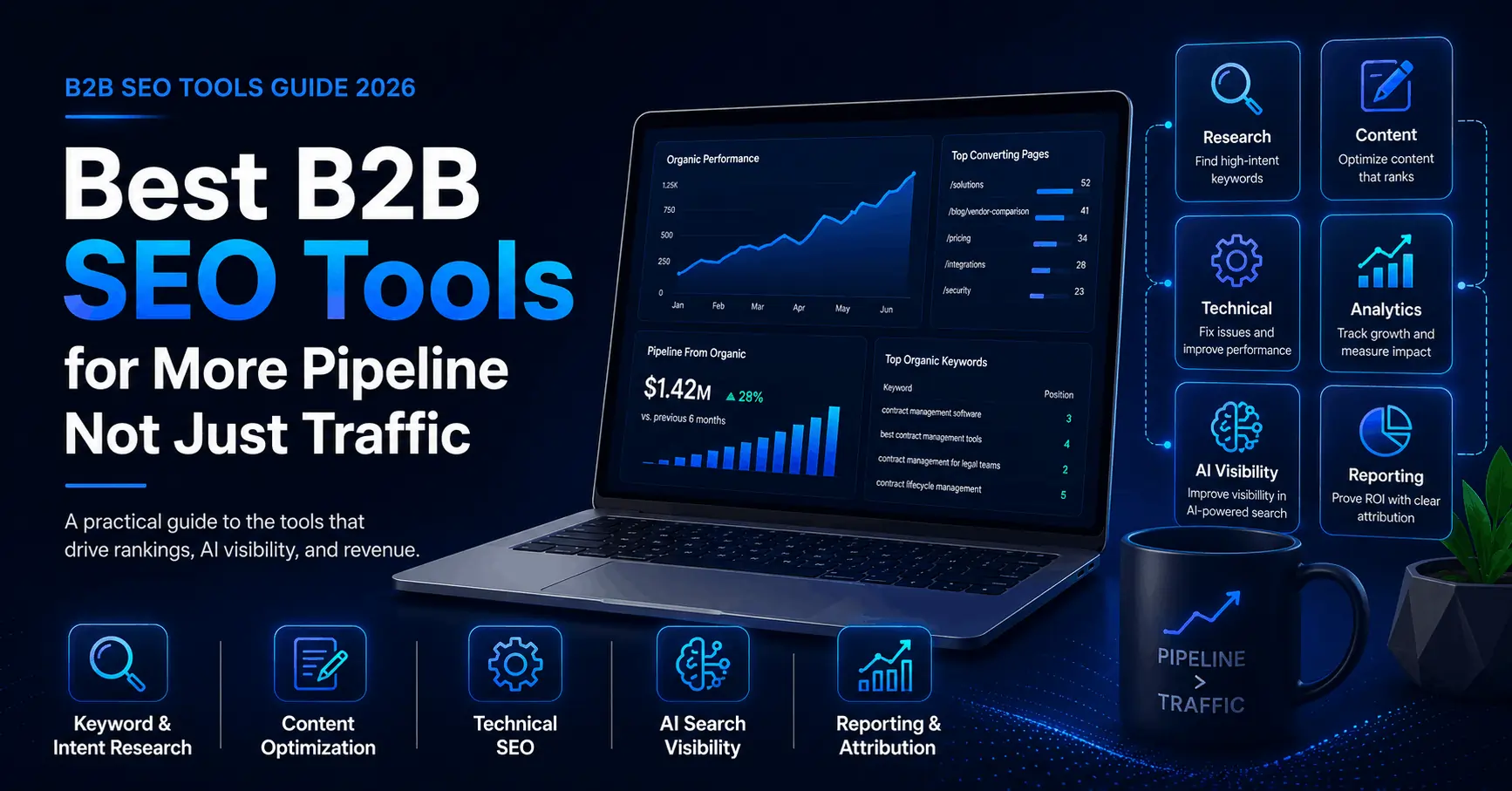




Your organic traffic is climbing. Your pipeline is not. If those two sentences describe your last six months, you have already met the costly problem at the center of B2B search.
Most companies buy SEO expecting revenue and get rankings instead. A capable B2B SEO agency closes that gap and turns search into a steady source of qualified leads. The wrong one sends polished reports full of numbers that never reach your sales team.
This guide covers what a B2B SEO agency does, how it differs from the consumer playbook most firms still run, and how to choose one built to grow pipeline. You will get a vetting framework, the questions that separate operators from order-takers, the red flags worth ending a call over, and an honest view of ROI, timeline, and pricing.
What Is a B2B SEO Agency, and What Does It Do?
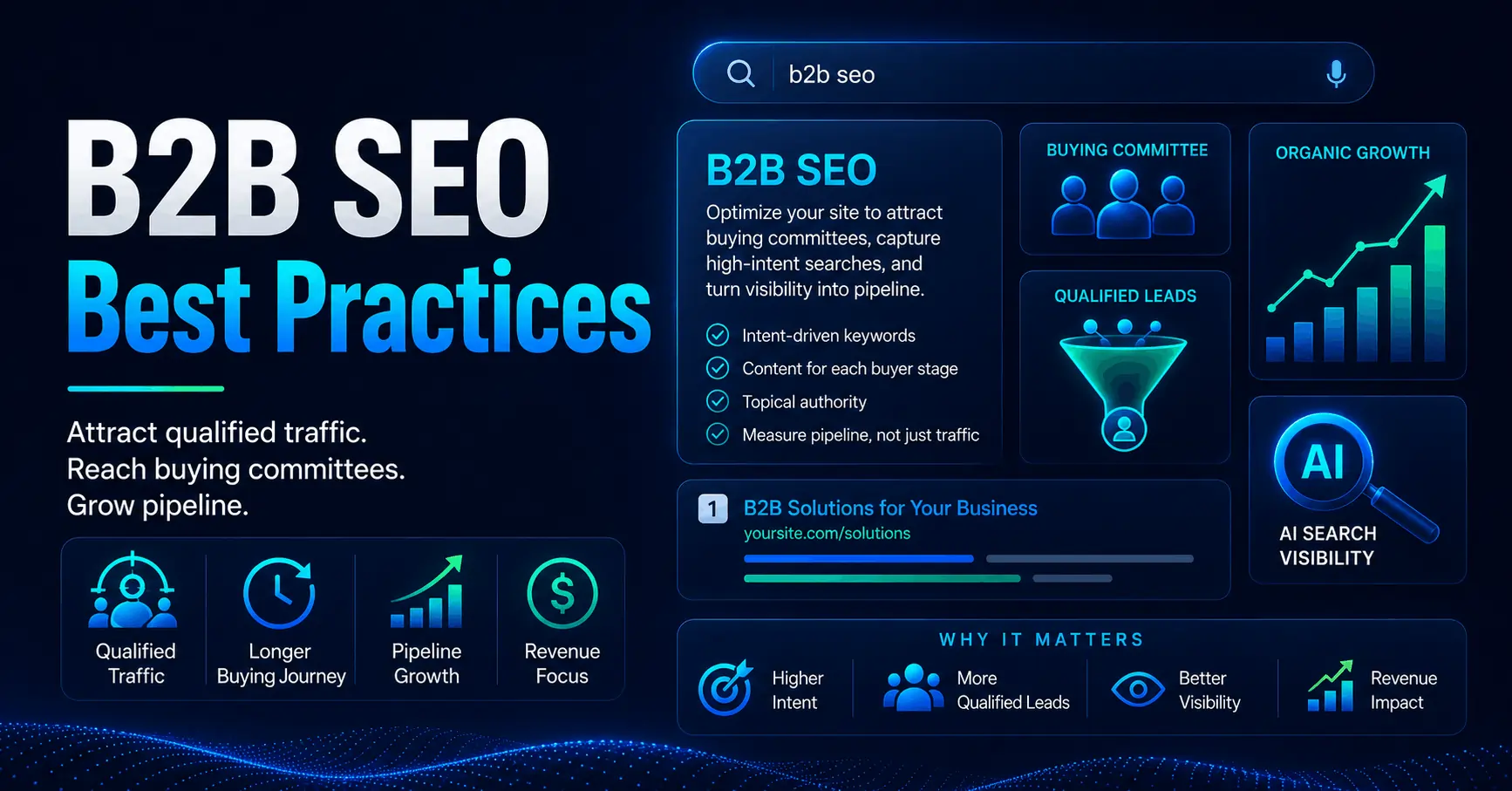
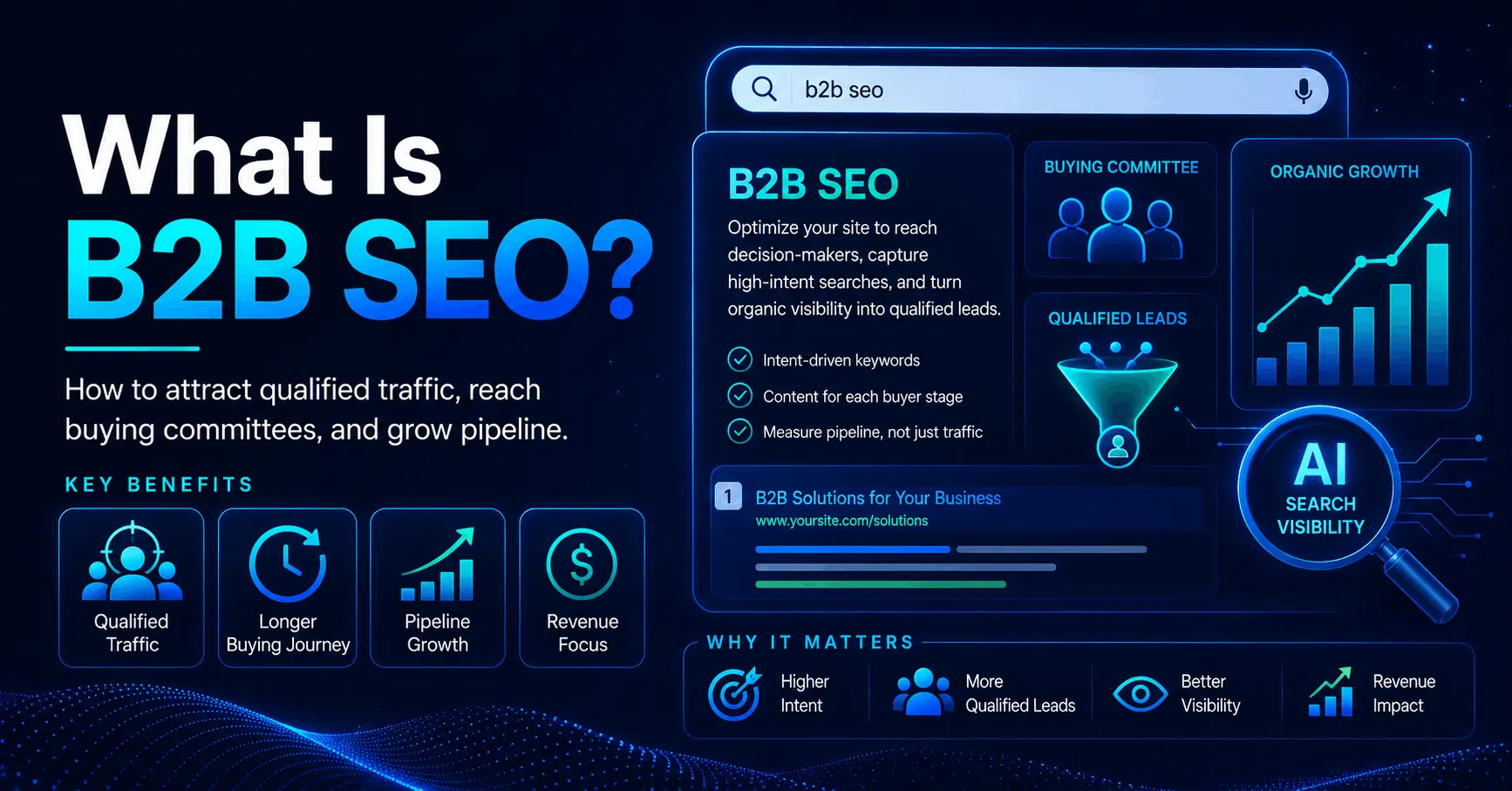
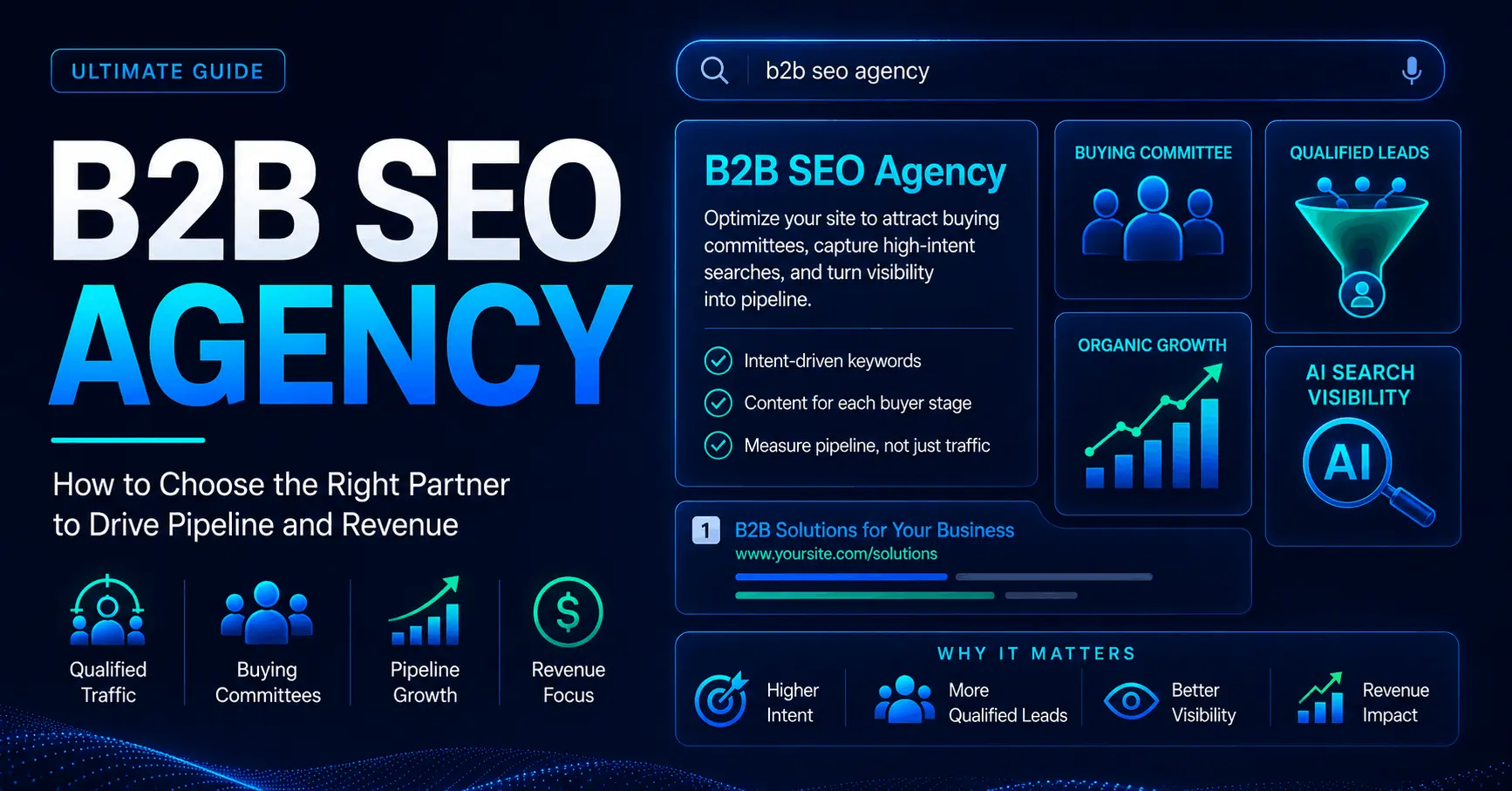
A B2B SEO agency helps business-to-business companies get found in search by the specific buyers who can actually purchase their product, then converts that visibility into leads and revenue. The “B2B” part carries more weight than it looks. You are not chasing raw clicks. You are chasing the VP of Engineering, the procurement lead, or the founder who controls the budget.
Companies usually hire one for a simple reason: they lack the in-house expertise, their internal team is stretched too thin to execute, or they have tried SEO and cannot work out why it produces no pipeline.
The work spans five connected areas:
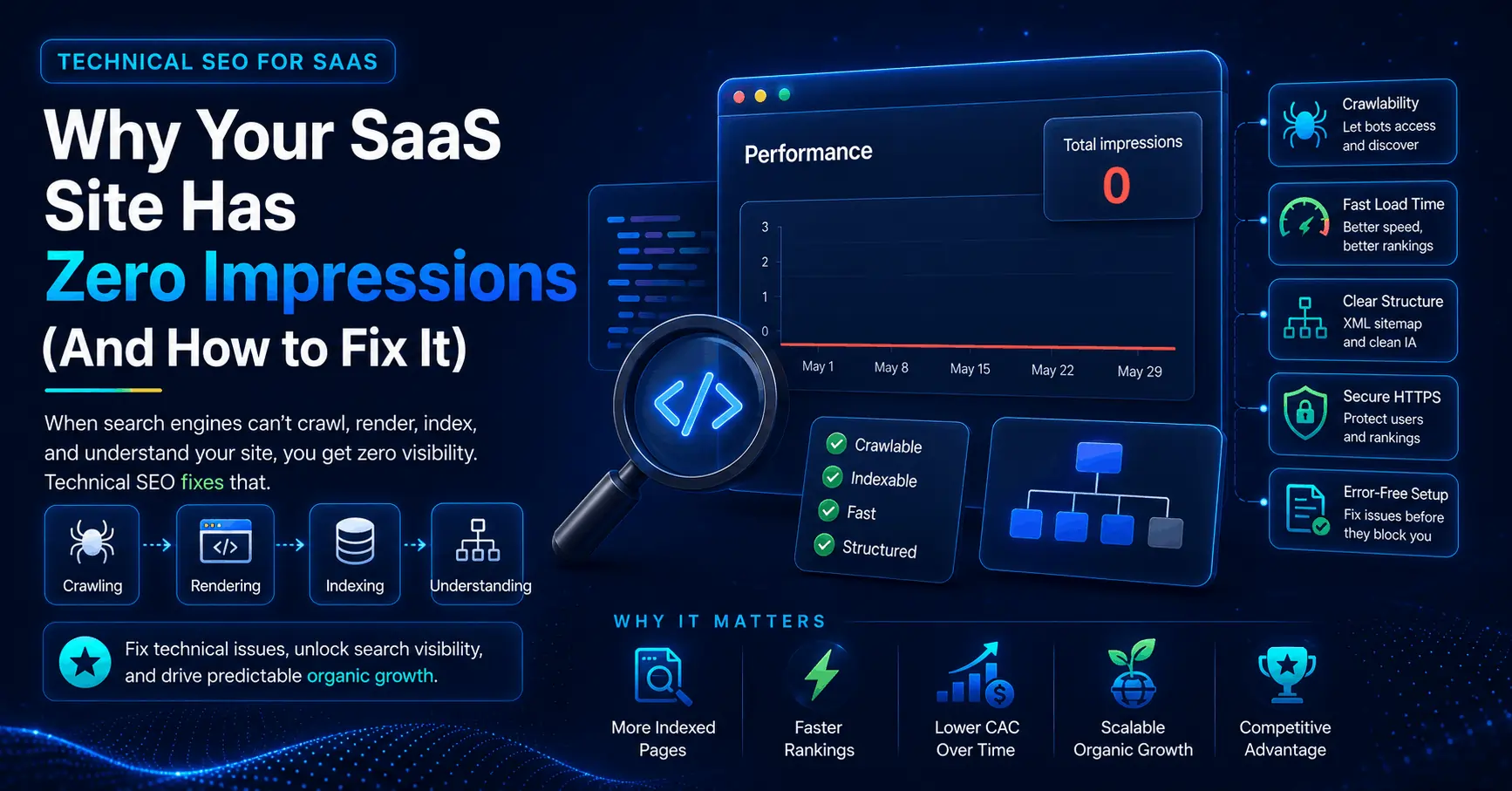
- Technical SEO. Making sure search engines can crawl, render, and index your site. Site speed, structured data, internal linking, and the quiet issues that cap your rankings.
- Keyword and intent research. Finding the queries your buyers use at each stage, then prioritizing high-intent, lower-volume terms over vanity keywords.
- Content strategy and production. Building pages mapped to the buyer journey, with real weight on bottom-of-funnel content where prospects compare options and decide.
- Link building and digital PR. Earning links from credible sites to build the authority search engines treat as a trust signal.
- Measurement and reporting. Tying organic performance to leads, demos, and revenue, ideally inside your CRM.
The gap between a mediocre agency and a great one rarely comes down to this list. Everyone publishes the same services page. The difference is whether the firm treats these five as one revenue system or five separate invoices.
Why B2B SEO Is Different From B2C
This is the point most buyers underrate, and it decides whether an engagement works. A B2B buyer behaves nothing like a consumer, so the strategy has to follow different rules.
Four differences shape everything:
- Search volume is lower, intent is higher. Your best keyword might draw only a few hundred searches a month, but each visitor could be worth a five- or six-figure contract. A query like “SOC 2 compliance automation” matters far more than something broad and cheap.
- Sales cycles are long. B2B deals can take months to close. Content has to nurture across that window, not just capture a click.
- You sell to a committee, not a person. A single purchase often pulls in a champion, an economic buyer, IT, and finance. Your content answers the CFO’s cost question and the engineer’s integration question at the same time.
- Buyers are sharper than the average writer. A technical reader spots thin, generic content instantly. If an agency staffs your account with writers who have never worked in your space, the content reads like it was built for a search engine, because it was.
An agency that cut its teeth on ecommerce or local SEO will optimize for the wrong scoreboard. It will celebrate a traffic spike from a post that brought in students and job seekers, then hand you a report that looks healthy and changes nothing about your number.
The 2026 Shift: SEO Now Includes AI Search
Here is the change that makes this year different from even two years ago. Ranking first on Google no longer guarantees the click. AI Overviews, ChatGPT, and Perplexity increasingly answer the question on the spot, and a growing share of buyers never visit a website at all.
Analyses of zero-click behavior suggest AI answers have cut organic clicks on informational queries by a meaningful margin. At the same time, more B2B buyers now open their vendor research inside a large language model rather than a search box.
That has created a second discipline sitting right beside traditional SEO:
- SEO gets you ranked in classic search results.
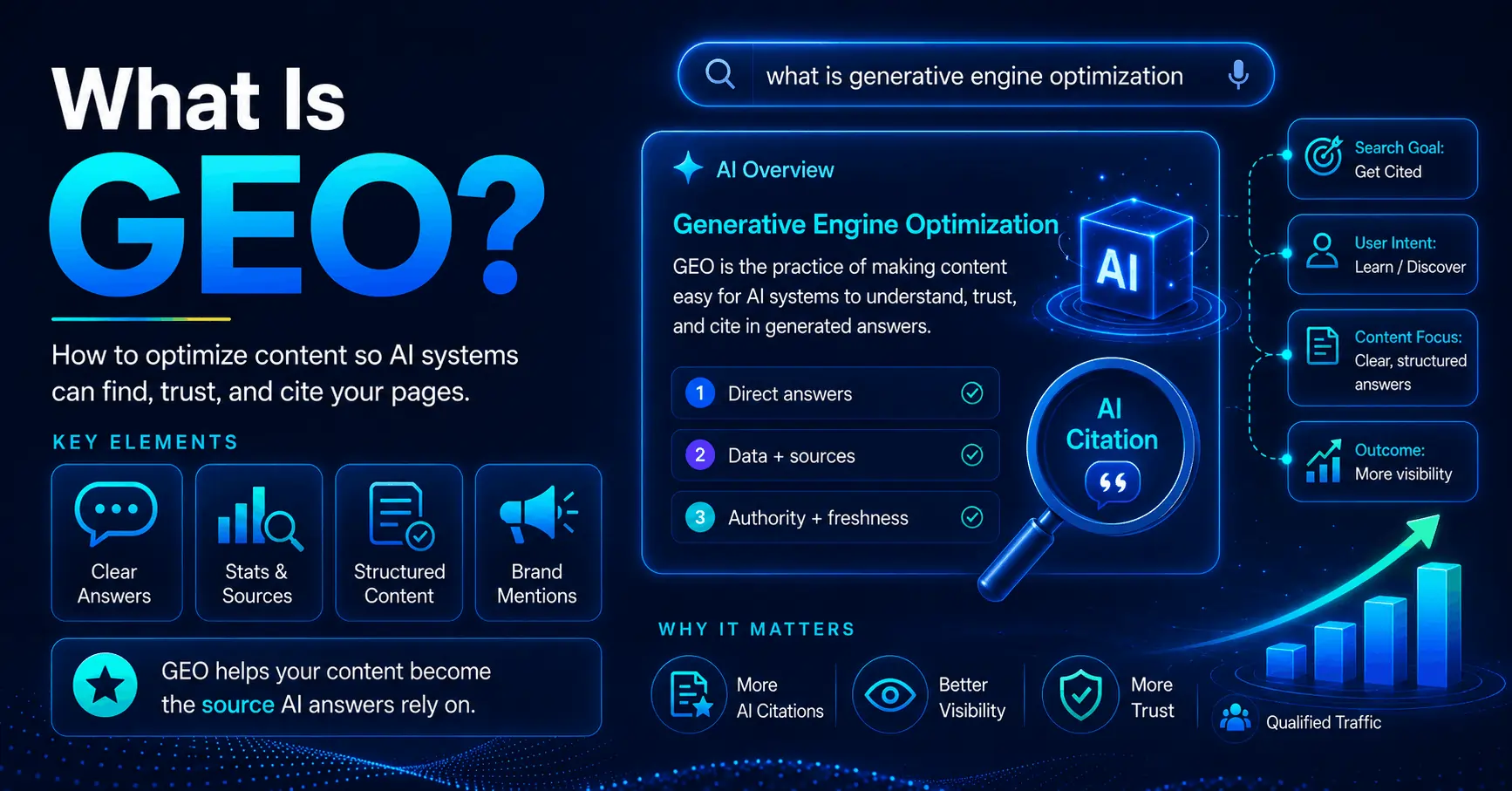
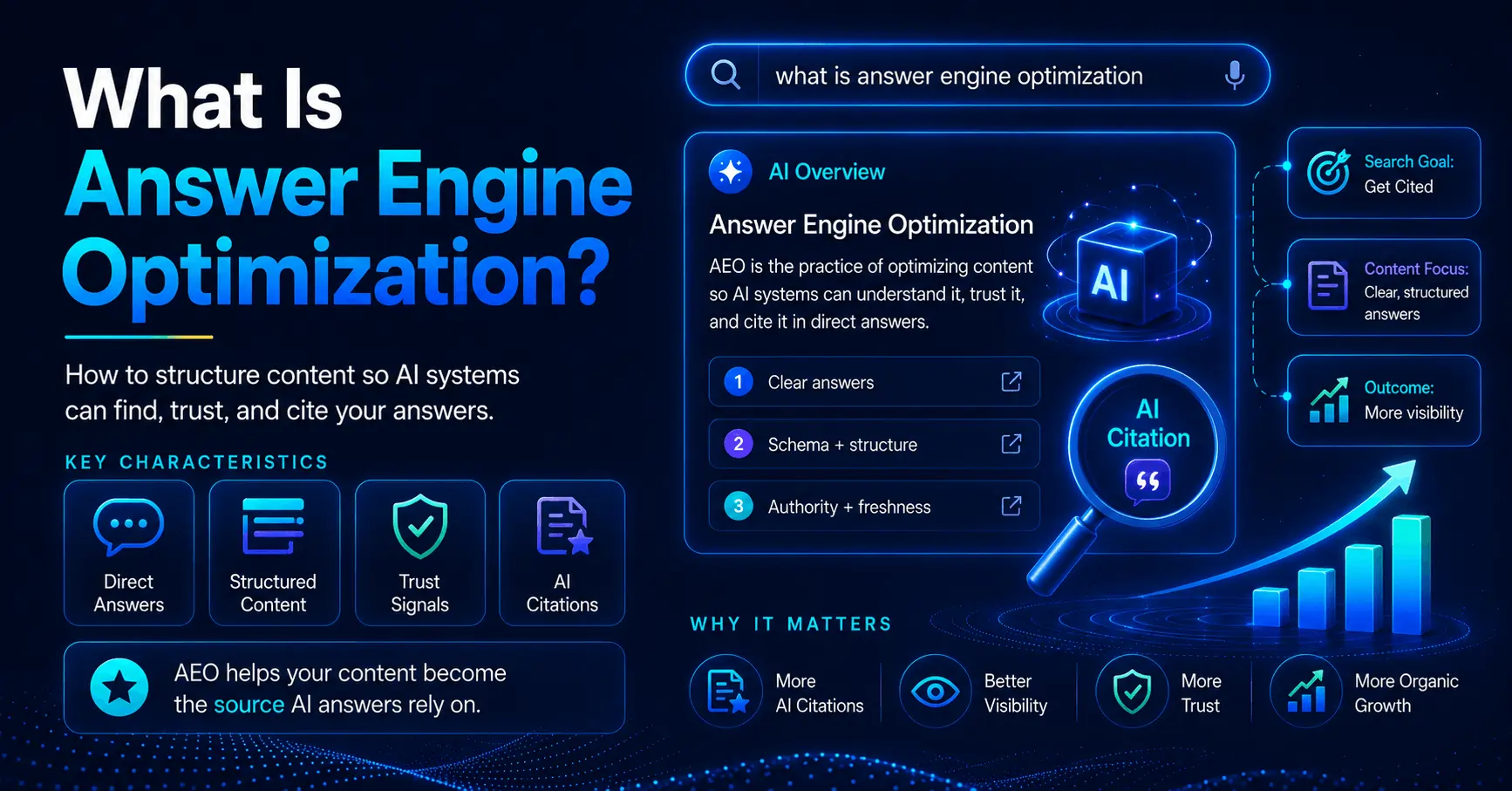
- GEO (generative engine optimization), sometimes called answer engine optimization, gets your brand cited inside AI answers.
The useful part is how much the two overlap. Topical authority, clean page structure, and credible brand mentions help you rank and help you get cited. Some 2026 research even points to a strong correlation between first-page rankings and appearing in AI tools, which means the fundamentals still pay off.
The practical test is simple. Ask an agency what its GEO or AEO strategy looks like for AI Overviews, ChatGPT, and Perplexity. If it only talks about classic rankings, or it only sells “AI SEO” with no technical foundation underneath, both answers are warning signs.
What Makes a Good B2B SEO Agency?
A good B2B SEO agency is easy to describe and surprisingly rare to find. It connects search to revenue, staffs your account with senior people, and tells you the truth about what is working.
Look for these traits:
- It leads with pipeline, not rankings. In the first call, it asks about your sales cycle, average deal size, and ideal customer. If it only asks which keywords you want, that tells you plenty.
- It has relevant vertical experience. SEO for a cybersecurity platform is not SEO for an industrial supplier. A team that has watched your buyer behave before will ramp in weeks instead of months.
- Its content has real depth. Ask for a writing sample in a technical space. You want work a practitioner would respect, not padded definitions.
- It is transparent about process and people. You should know who writes your content, how links get earned, and exactly what you pay for each month.
- Its own house is in order. A firm that cannot rank for its own terms, or whose site is a technical mess, is a tell. Run its site through a quick audit before the first call.
One trait quietly sinks more engagements than any other: implementation. Plenty of agencies deliver a sharp audit and a tidy content calendar, then leave your developers and writers to do the actual work. The audit sits unread, and nothing ships. The agencies worth hiring either implement changes or work shoulder to shoulder with your team until they go live.
How to Choose a B2B SEO Agency
You do not need to be an SEO expert to hire a good one. You need a process. Run every contender through these steps, and you will usually know within one call whether they can solve your specific problem. This is also the fastest way to find the best B2B SEO agency for your situation rather than the one with the loudest marketing.
- Define success before you talk to anyone. Decide what you are buying: demo requests, lower customer acquisition cost, pipeline from one segment, category authority. Write it down so you can hold every conversation against it.
- Build a shortlist from the right sources. Referrals from peers at similar companies beat a cold search. Look at who publishes genuinely good content in your space and find out who is behind it.
- Audit case studies for outcomes, not activity. “We grew traffic 300%” means little on its own. Ask what that traffic did. Did trials, leads, or revenue move? Request a reference you can actually call.
- Test their strategic thinking. Give each finalist a real challenge from your business and watch how they respond. Strong teams ask sharp questions and offer a point of view. Weak ones recite a generic package.
- Find out who does the work. Many agencies sell with senior strategists and deliver with junior contractors. Ask how many clients each strategist carries and who runs your account week to week. A small client-to-strategist ratio is one of the most reliable quality signals.
- Clarify reporting and cadence. Ask what the monthly report shows and which metrics they hold themselves accountable for. You want outcomes connected to your CRM, not a list of completed tasks.
- Read the contract. Favor month-to-month terms or reasonable commitments over long lock-ins. Some ramp time is fair because SEO compounds slowly. A demand for twelve months with no performance checkpoints often protects the agency against churn it expects.
Run every candidate through the same seven steps and the right fit tends to become obvious fast.
Questions to Ask Before You Sign
Bring these to your final calls:
- How do you tie SEO work to pipeline and revenue, not just rankings and traffic?
- Who specifically will write our content, and what is their background in our space?
- What is your GEO or AEO strategy for AI Overviews, ChatGPT, and Perplexity?
- Can you share a client in our industry we could speak with?
- Do you implement changes, or only recommend them?
- What does your first 90 days look like, and what should we expect to see by then?
- What happens if results come in slower than projected, and how do you adjust?
- Do we own the content and work product if we part ways?
The agencies worth hiring welcome pointed questions and answer them with specifics. The ones that deflect to generic case studies usually cannot.
Red Flags to Walk Away From
Some signals should end the conversation:
- Guaranteed rankings. Nobody controls the algorithm. A promise of “#1 in 30 days” signals either naivety or risky tactics.
- Traffic-only reporting. If every report leads with sessions and never mentions leads or revenue, the incentives point the wrong way.
- No B2B track record. A portfolio of restaurants and online stores does not prove a firm can sell your enterprise software.
- Vague link building. If they will not explain exactly how they earn links, assume a method that could get your site penalized.
- One-size-fits-all packages. A fixed “four blog posts a month” that ignores your buyer, deal size, and funnel is content for its own sake.
- Rock-bottom pricing. Quality strategy and content cost real money. A quote that looks too good usually buys templated, outsourced work.
- Self-ranking “best agency” lists with no disclosure. Many roundups on this exact topic are written by an agency that, conveniently, ranks itself first. Treat undisclosed self-rankings, and the inflated claims that travel with them, with suspicion.
What ROI Can a B2B SEO Agency Deliver?
This is the question that keeps buyers up at night, and the honest answer starts with a caveat. SEO is a compounding channel, not a faucet. It is slow to start and powerful once it builds.
Two truths to set expectations:
- It is slow before it is fast. Meaningful pipeline usually takes six to twelve months, because authority and rankings accumulate over time. Anyone promising a transformed funnel in 60 days is selling a fantasy.
- It is an owned asset, not a rented one. Paid traffic stops the moment you stop paying. A page that ranks can generate qualified leads for years at a declining marginal cost, which is why long-run organic CAC often undercuts paid by a wide margin.
Measure ROI with the right metrics, not vanity ones:
- Organic-sourced pipeline. Revenue opportunities that started with an organic visit.
- Qualified leads. MQLs and SQLs your sales team actually wants to call, not raw form fills.
- Customer acquisition cost. As SEO matures, blended CAC should fall.
- Assisted conversions. B2B buyers rarely convert on first touch, so track where organic content influenced a deal even when it was not the last click.
Here is how the math tends to work. Say an agency builds one comparison page that ranks for a term with 200 monthly searches. If 3% of those visitors request a demo, that is six demos a month from a single page. At a healthy close rate and deal size, one page can cover the retainer. Picture twenty pages like it compounding over two years, and the spend stops looking like a cost and starts looking like an asset.
A good agency models this with you before the work starts. If a firm cannot tell you how it will prove return, treat that as your answer.
B2B SEO Agency Pricing: What to Expect
Pricing usually falls into three models, and each suits a different need:
- Monthly retainer. The most common structure. A fixed fee for an agreed scope each month, good for ongoing programs where content and authority compound. Serious B2B retainers commonly run into the thousands per month. Below a certain floor, most reputable agencies cannot staff your account properly, so a very low number usually means a freelancer or a thin team.
- Project-based. A fixed price for a defined deliverable like a technical audit, a migration, or a content sprint. Useful for testing a firm before a retainer.
- Performance-based. Fees tied to outcomes. Attractive on paper, but read the fine print. If the metric is traffic or rankings, the agency can hit the target while you still miss on pipeline.
Cheaper rarely wins here. The cost of B2B SEO is mostly the cost of skilled strategists and writers who understand your market. The right question is not “what is the cheapest option,” it is “what is the return on this investment over the next two years.”
How to Choose an SEO Agency for B2B SaaS
B2B SaaS adds its own quirks, so the bar sits a little higher. If you are weighing how to choose an SEO agency for B2B SaaS specifically, prioritize a few extra capabilities.
- Product-led content. The strongest SaaS SEO ties your product to the problem people are searching to solve. The agency should build content around use cases and jobs-to-be-done, then weave the product in naturally instead of bolting on a generic call to action.
- Comparison and alternative pages. SaaS buyers actively search “[competitor] alternative” and “[tool A] vs [tool B].” These bottom-of-funnel pages convert at a high rate, and a SaaS-savvy agency builds them without sounding like a hit piece.
- Integration and feature pages at scale. If your product connects to dozens of tools, a page for each integration can capture real demand. Ask whether the team has run scaled page programs before.
- Free tools and templates. Calculators, generators, and templates earn links and rank for problem-aware queries. A creative SaaS agency pitches these, not just blog posts.
- An understanding of product-led growth. If your motion runs on free trials and signups, content has to drive activation, not just demo calls. The agency should know the difference and design for it.
When you evaluate a B2B SaaS firm, weight the ones that reference these plays unprompted. It signals they have done the work in your model.
In-House, Agency, or Freelancer?
A quick gut check on the model:
- A freelancer or consultant fits a small budget or a single, specific need like a one-time audit.
- An in-house hire makes sense once SEO is central enough to justify a dedicated salary, and you can support that person with content and developer resources.
- An agency fits when you want a full team’s range of skills without building it yourself, and you want senior strategy plus execution from day one.
Many companies blend these: an in-house owner who sets direction, plus an agency that supplies depth and capacity. The worst outcome is hiring an agency to make up for having no internal owner at all, because someone on your side still has to make decisions and clear roadblocks.
The Bottom Line
The difference between a B2B SEO agency that drains your budget and one that builds your pipeline comes down to a single question: does it optimize for traffic or for revenue? Rankings vendors sell you traffic charts. Revenue partners sell you pipeline, and they can prove it.
Filter hard for B2B fluency, demand pipeline-level reporting, scrutinize who actually does the work, insist on a credible AI search strategy, and walk away from anyone guaranteeing rankings. Then give the right partner the six to twelve months that real SEO takes to compound.
Start by writing down what success looks like for your business and your three hardest questions. Take two or three agencies through the framework above and ask those questions on the first call. The way they answer, specific and direct or vague and defensive, will tell you who is built to move your number.